
I run Nuts and Bolts Web Design. Most days that means IT support, web design and managed services for small organizations. On the side I build a video game, and it keeps teaching me things I use with clients. Two lessons from the last few builds.
Lesson one: get found
The game has a play page at play.culdesaccrew.com. In build 85p-37 I gave it the same checklist I use on client sites. A clear title and description. A canonical link. Share previews for Facebook, X and texts. Structured data that says what the page is. A sitemap. Plain text for visitors whose browsers cannot run scripts. I also put the build number in the game file names, so a new release loads clean and a browser never mixes old files with new ones. None of it is exciting. All of it is the difference between a page that exists and a page people can find.
Lesson two: measure the visit that leaves no trace
The browser demo gets visitors who load the page, look at the menu and leave. Until this week my stats could not see them. If a launch never started a run, it sent nothing. That made it impossible to tell a game that nobody opens from a game that people open and bounce off.
Version 85p-41 sends one small anonymous event when the menu first appears, with the number of seconds it took. A session that sends only that event is a bounce. Now I can count menu viewers separately from people who start a run, and I can see whether a slow load is costing me visitors.
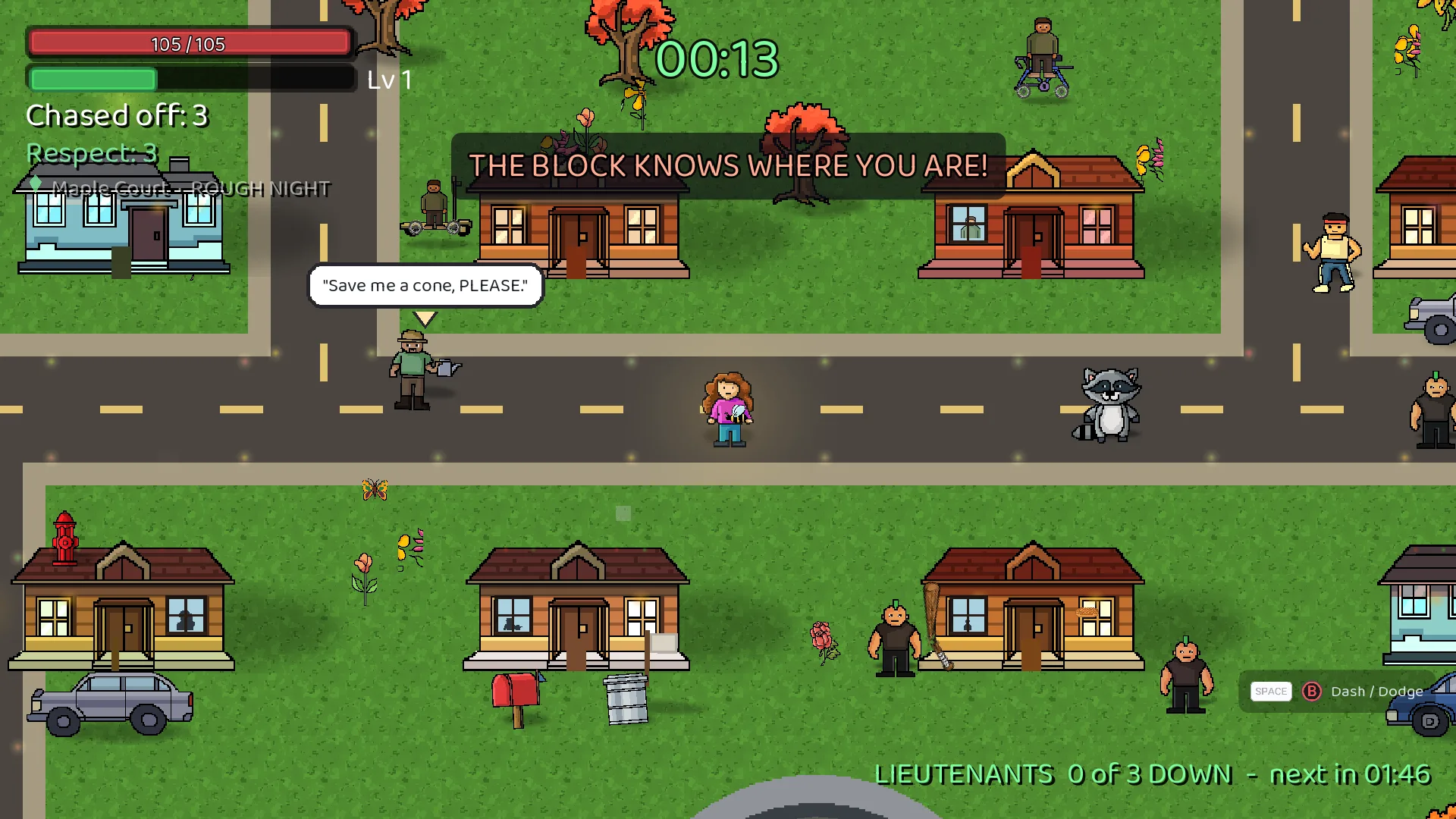
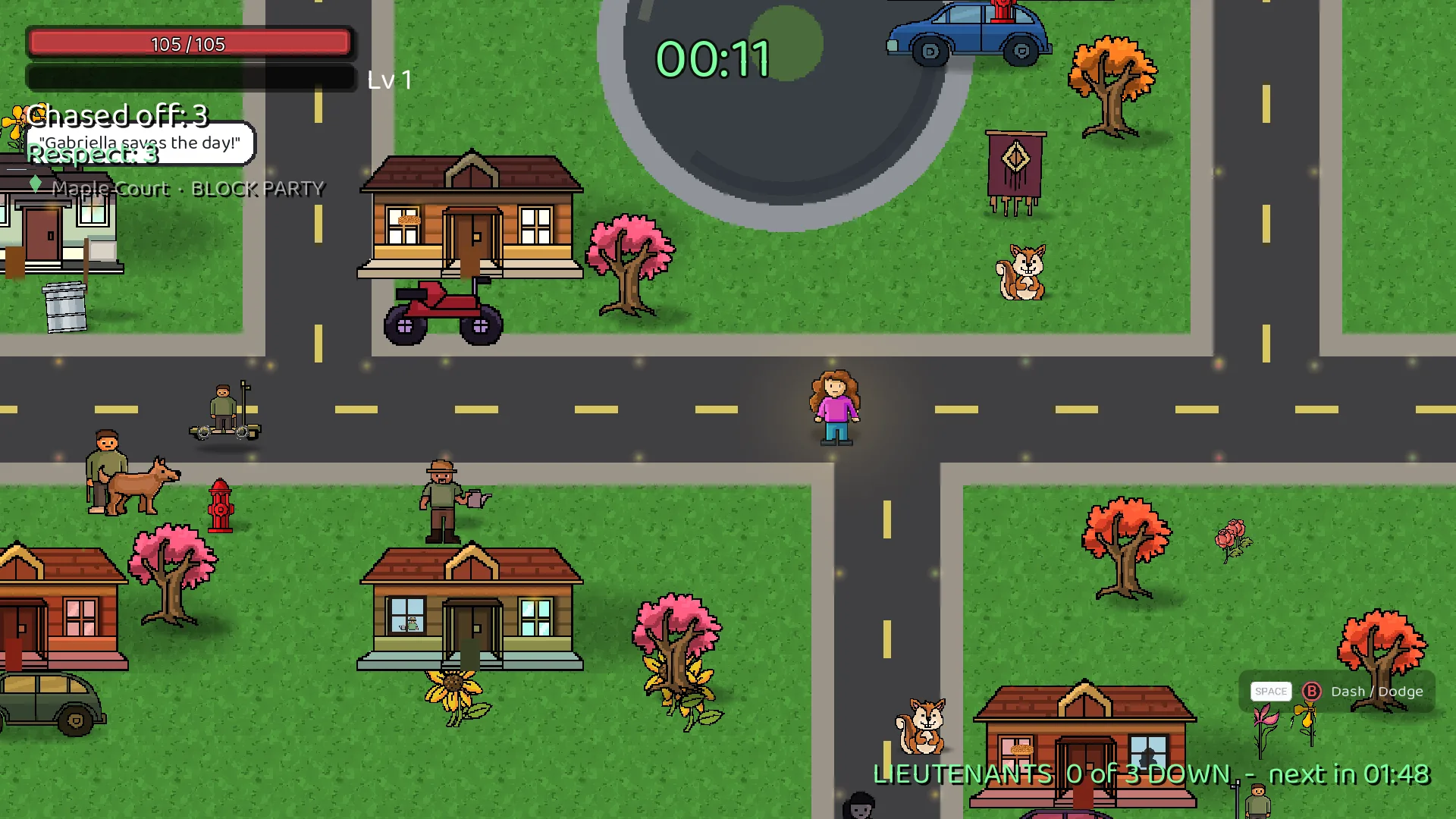
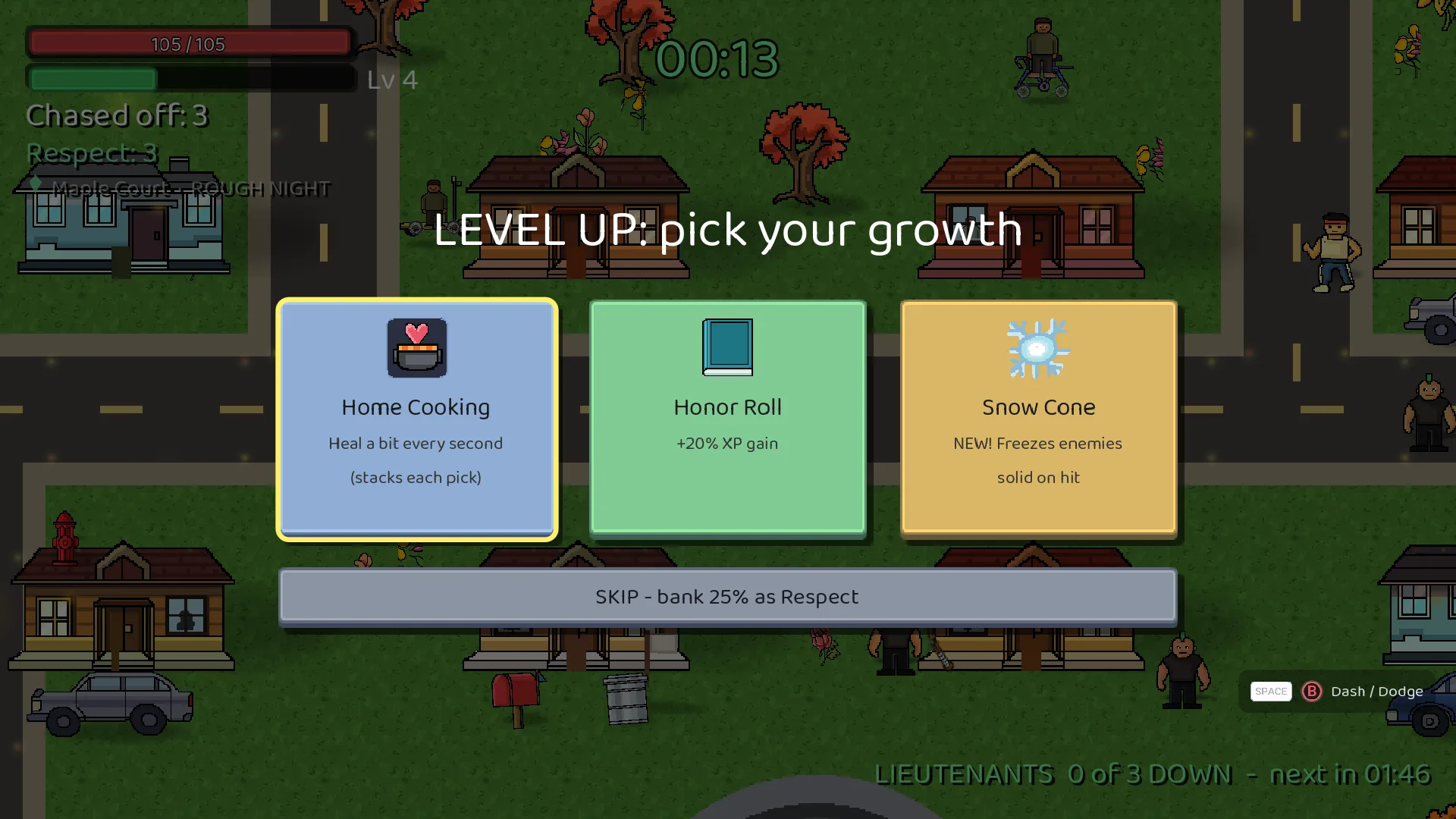
I also added a few more events: when a run reaches each Lieutenant, the boss and the finish, which level-up card a player picks and which kind of input they use, such as touch, keyboard, mouse or controller. Every one of those is a fixed word, a short code or a whole number. No free text, no accounts, no device details. One random code per launch, held in memory and never saved.
Why the privacy line matters to a business
Small organizations ask me about analytics all the time. My rule is simple. Collect the least you need to make a decision, and write down what you collect. For the game, I wrote a spec first, listed every event and field, and listed what is not allowed. A new field needs approval before it gets added. That one-page spec saved me from drift, and it is the same habit I recommend to clients who run a website or a service.
A smaller lesson: let people skip the tutorial
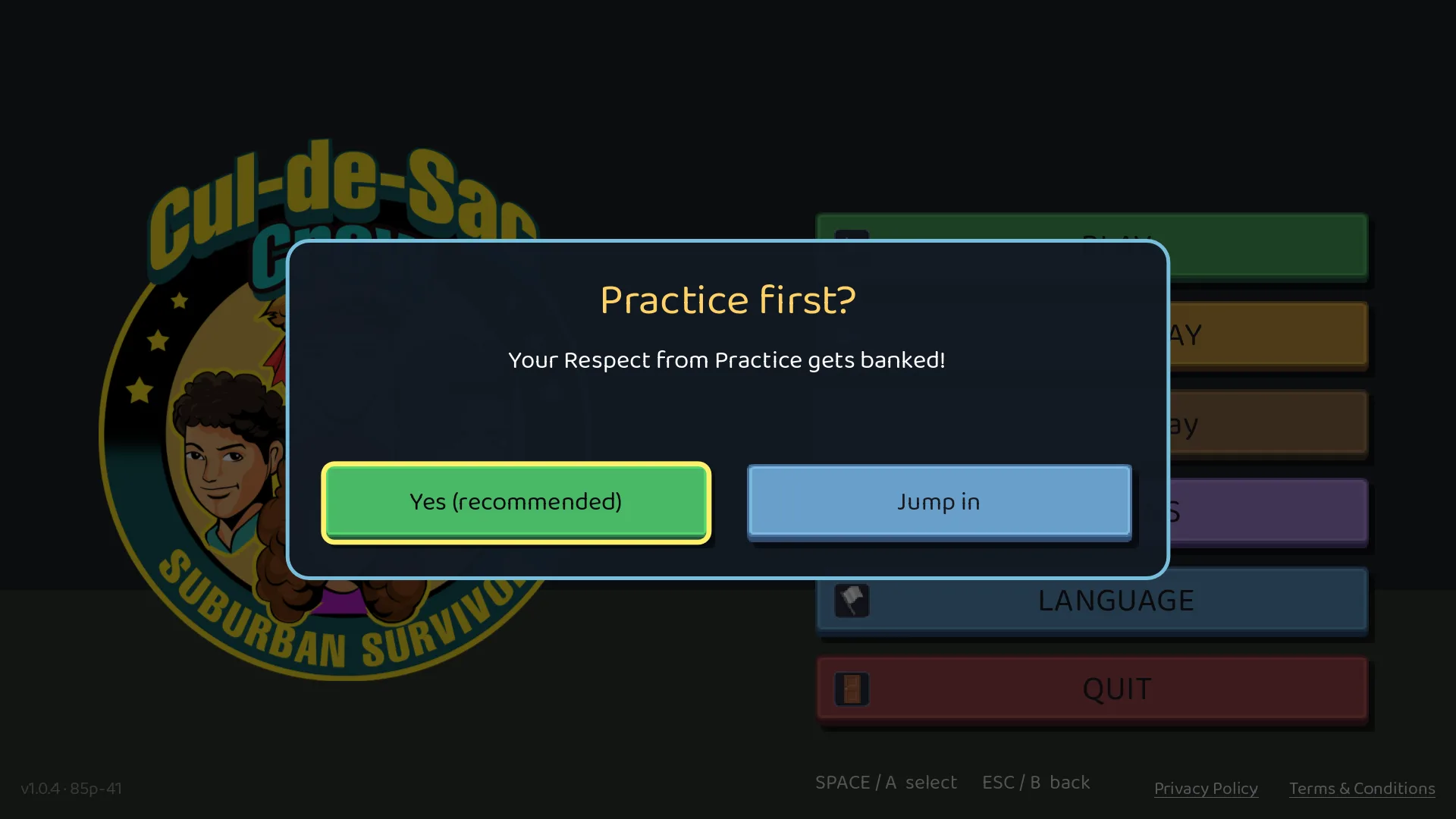
The update also lets new players skip Practice. Forced onboarding is a quiet way to lose people. Give them the choice, keep the lesson one click away and watch what they pick.
Want this for your organization?
If you run a small website, app or service and want to be found, with honest numbers that do not collect more than they should, reach out through nabwd.com. Nuts and Bolts Web Design does web design, IT support and managed services.
Demetrius Pinder
Nuts and Bolts Web Design


