
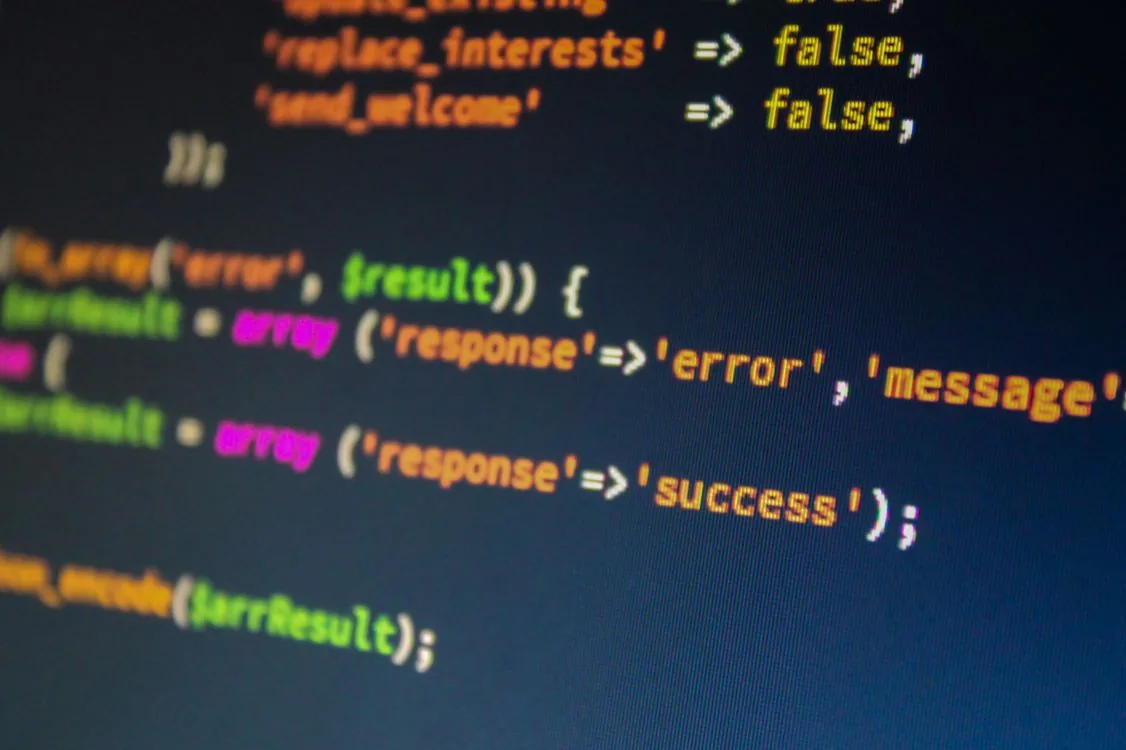
When was the last time you checked which version of PHP your website is running? If you are a business owner with a website, you may not know the answer. You may not even know what PHP is. However, it could be one of the most important pieces of technology keeping your website running.
Researchers identified critical vulnerabilities in PHP itself. On October 21, 2026, PHP released security updates to address them. The vulnerabilities have collectively become known as PHP2Shell.
What makes this particularly interesting to me is not just the vulnerabilities but the role artificial intelligence played in their discovery.
In my previous article, I discussed two major technology outages that were not attributed to AI. This time, AI is part of the story for a different reason.

What Is PHP?
PHP (PHP: Hypertext Preprocessor) is a programming language used to build websites and web applications. Among other things, PHP helps websites process information, communicate with databases and generate content.
WordPress, Drupal and Joomla are examples of popular content management systems that use PHP.
When you update WordPress, you are updating the application running your website. You are not necessarily updating the underlying version of PHP that allows the application to function.
There is an important distinction between the two.
Think of Your Website as a Shop in a Mall
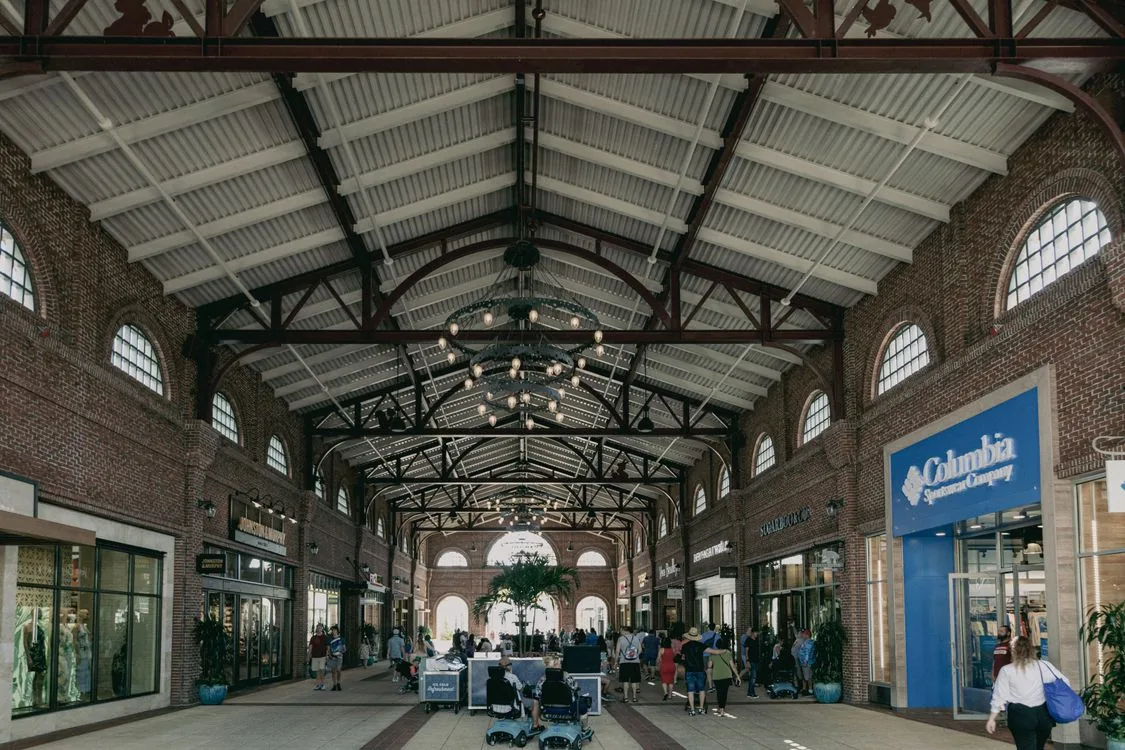
I like to think of a website on a shared hosting server as one shop in a shopping mall.
Each shop has its own merchandise, employees and security measures. Shoppers visit individual stores, but they also depend on the building being safe and functional. The owners are responsible for maintaining their individual shops.
However, the shops also depend on the building around them. They rely on shared infrastructure such as electricity, plumbing and other essential building systems.
You can install the strongest locks available on your shop, but those locks will not correct a problem with the building's infrastructure.
The same principle applies to websites.
You can keep your WordPress installation, themes and plugins updated. You can use strong passwords and implement additional security measures. However, if the underlying PHP environment contains a serious security flaw, your website may still be vulnerable.
This is what makes PHP2Shell worth understanding.
What Happened With PHP2Shell?
Security researchers identified critical flaws tracked under the following two CVE numbers:
- CVE-2026-109618
- CVE-2026-109619
CVE stands for Common Vulnerabilities and Exposures. It is a public identification system that allows technology professionals and organizations to reference known security vulnerabilities consistently.
Both vulnerabilities can allow unauthorized individuals to execute code remotely on affected systems without first logging in.
Depending on the environment and how the vulnerabilities are exploited, the consequences can include unauthorized access to sensitive information or compromised websites and servers.
The important part for website owners is that these vulnerabilities exist within PHP itself. They are not simply problems with a particular WordPress plugin or theme.
On October 21, 2026, PHP released fixes in the following versions:
- PHP 8.5.12
- PHP 8.4.27
- PHP 8.3.36
- PHP 8.2.35
These were the initial patched releases for their respective PHP branches. Subsequent security updates may also be available.
Where Artificial Intelligence Comes Into Play
According to OpenAI, security research organization Calif identified a critical PHP vulnerability using GPT-5.6 Sol as part of the Patch the Planet initiative.
Wiz Research independently discovered and reported both critical vulnerabilities. Its researchers used Wiz Atlas, Gemini 4 Argon and GPT-5.6 Sol throughout their research.
What caught my attention was that some of the vulnerable PHP code had been around for more than a decade.
Artificial intelligence helped researchers examine complex software weaknesses that had previously gone undetected. The researchers then worked with PHP's maintainers and other technology organizations to coordinate the release of security fixes.
This is an example of where I see value in the integration of artificial intelligence into information technology.
AI can assist researchers in identifying problems within complicated systems. It can help examine code and support testing. However, human expertise remains essential in validating those findings, determining how to address them and implementing the appropriate solutions.
There is another side to this conversation. The same technology that helps security researchers discover vulnerabilities can also help malicious actors identify and exploit them.
That makes timely maintenance and security updates even more important.
What Should Website Owners Do?
If your website uses PHP, now is a good time to review the environment in which it runs.
Start by asking your hosting provider which version of PHP your website is using and whether the PHP2Shell security fixes have been applied.
Work with your hosting provider or website administrator to use the latest supported PHP release for your branch. If your branch is no longer supported, plan a move to a supported branch. Some hosting environments receive security fixes through vendor-maintained packages, so the version number alone does not always tell the complete story.
Make sure your website and database are backed up. Have your hosting provider or server administrator ensure that the updated PHP environment is running properly.
Test your website after the update. Check your contact forms, administrative functions and any other important features your business depends on.
If you are still running PHP 8.2, there is another reason to pay attention. PHP 8.2 is scheduled to reach the end of its official security support on December 31, 2026. Website owners should be planning their transition to a newer supported version.
My Take
I do not believe website owners need to panic every time a new security vulnerability is announced.
Security patches for PHP2Shell are available. The question is whether those patches have been applied to the environment running your website.
Website maintenance involves more than updating the parts of a website you can see. It also involves maintaining the technology underneath it.
A well-designed website running on outdated infrastructure can still be vulnerable. A website that appears to be functioning properly is not necessarily a secure website.
Check the PHP version under your website. Keep it current. Test after updates.
Do not forget about the building while taking care of the shop.
Sources
- https://www.php.net/archive/2026.php
- https://openai.com/index/coordinated-disclosure-of-critical-vulnerabilities/
- https://www.wiz.io/blog/php2shell-php-rce
- https://www.php.net/supported-versions.php
- https://www.php2shell.com/
AI Disclosure
AI helps me curate articles from my business email and sends me topics for my review. I also use AI for formatting and research assistance. I feed it my own synopsis. My articles reflect my own experiences, opinions and research while following my own voice and grammatical rules.
Featured image: Photo by Pixabay on Pexels. Supporting image: Photo by Arian Fernandez on Pexels.